 Tema
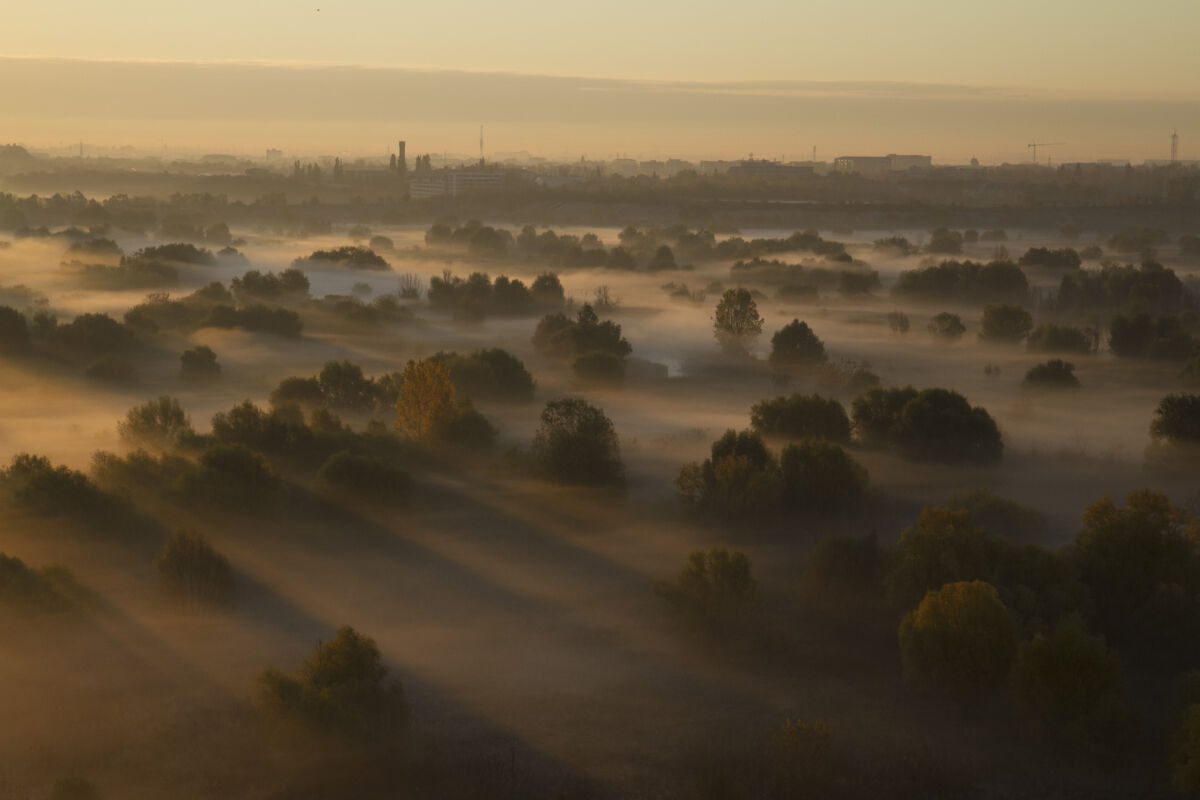
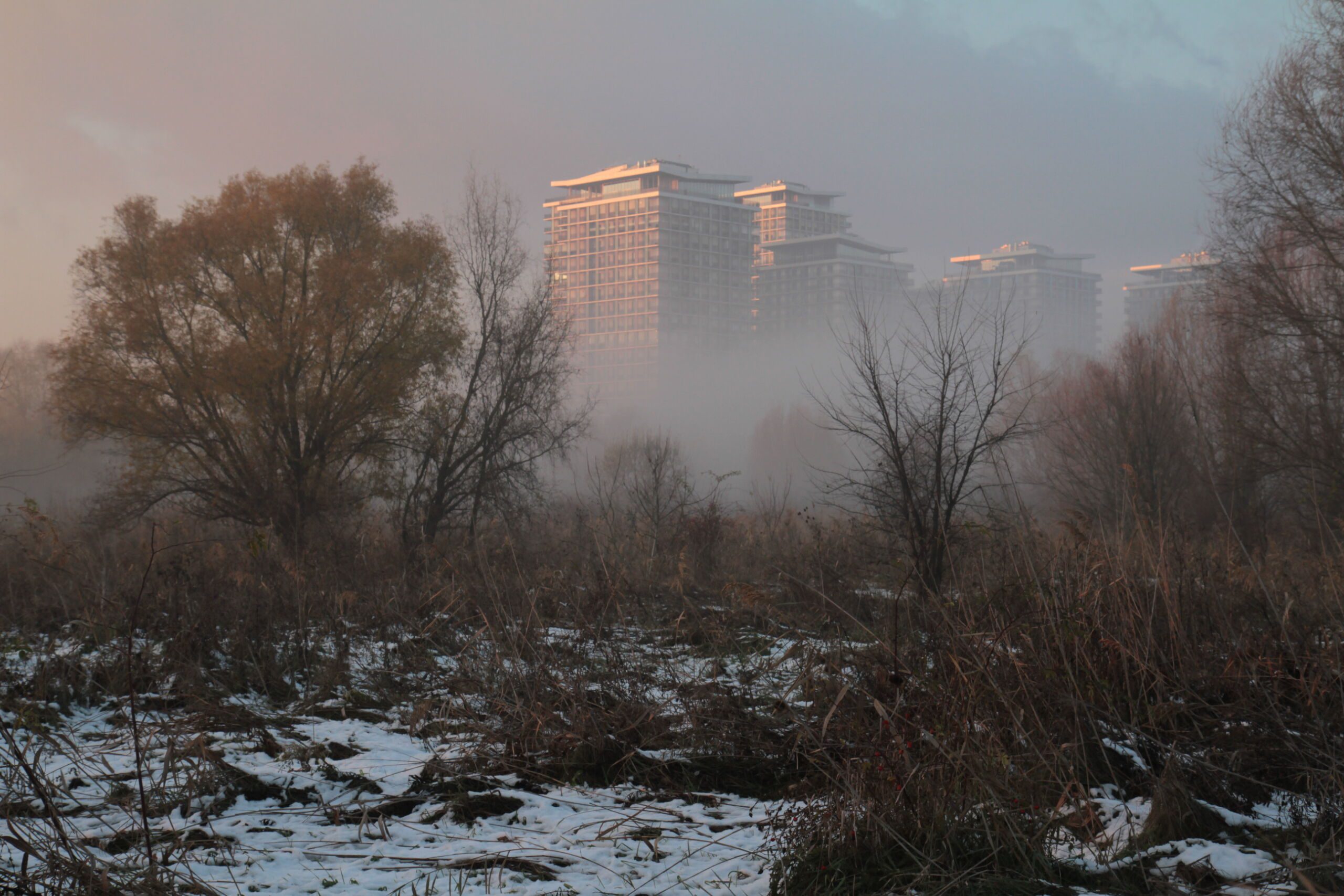
Tema Văcărești wetland lies on the periphery of Bucharest. Nearby, there used to be the city’s garbage dump. The swampy terrain surrounding the park was extensively drained to construct a residential neighborhood with apartment blocks, and the landfill was transformed into Tineretului Park. With Nicoleta Marin, geographer, former program coordinator of the Văcărești Nature Park Association, and vice president of the Network of Urban Natural Areas, we talked about the Văcărești natural park, importance of urban wetlands and the necessity of human-nature balance.
Can you tell us more about the history of the Văcărești wetland and its surroundings?
Before being a natural park, Văcărești was a swampy area in the riverbed of Dâmbovița, one of the two streams that underlie the establishment and development of Bucharest. Reeds with patches of poplars and willows were the typical landscape in the area, far away from the city centre. At the beginning of the XVIIIth century, a monastery rose on the top of a hill; it was one of the most important historical monuments of Bucharest, demolished two centuries later by communists.
At the beginning of the XXth century, the city expanded and in Văcărești people started to build tiny houses and to grow vegetables, fruits and flowers. The landscape changed to a rural periphery of the city in expansion. The regularisation of Dâmbovița River, flowing at the North side of Văcărești, started in the second half of the XIXth century, revealed three springs of mineral water that were used for leisure for a few years. Massive transformation happened during the communist regime, starting with the 1980s. All the houses were demolished to allow for the construction of a huge water reservoir, that was supposed to protect the city in case of flooding and also, to provide a large base for water sports. The project failed, due to defects in execution, and the area has been left unattended for more than 30 years. During this time, new forms of life emerged from the ruins.
In 2012, a handful of conservationists advanced the idea of protecting the area as a remarkable example of reconciliation between man and nature. In 2016, the Romanian Government issued a decision to establish the natural park.
You have established a rapport with the Zakole group of Warsaw wetlands. What are the similarities between those two locations and contexts?
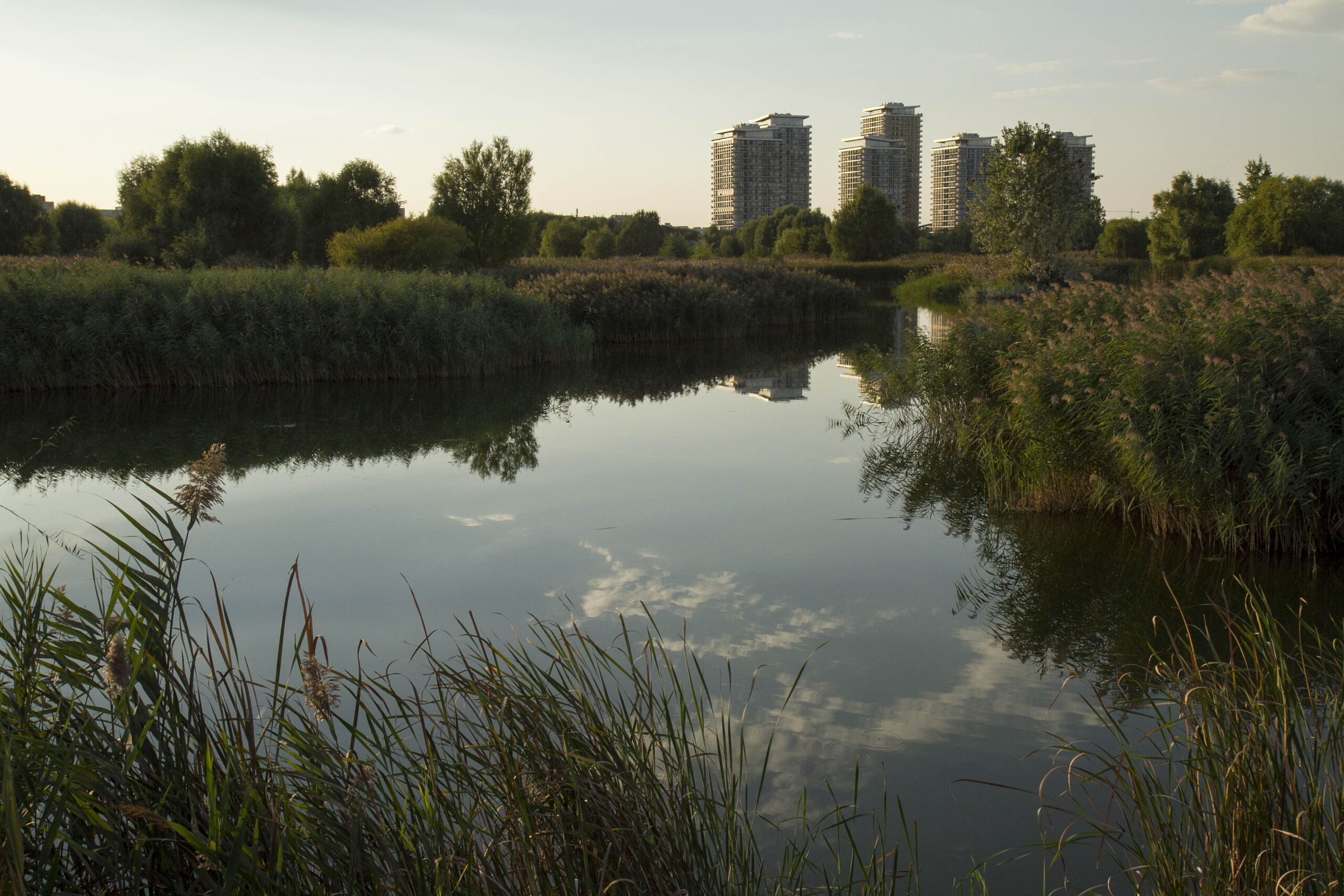
Both sites are highly valuable spaces located in the bustled capital cities. They both are excellent spaces for education, nature observation, recreation, health and connection between people and other species. They both are lively examples of how people and wild nature can share a place in the city. They are part of the solutions we’ve got from nature to make human life more enjoyable in cities.
Other similarities lay in the wet landscape type and origin since both sites have been formed by rivers and shaped by different human activities throughout the last century.
What part of the urban nature areas do you appreciate the most?
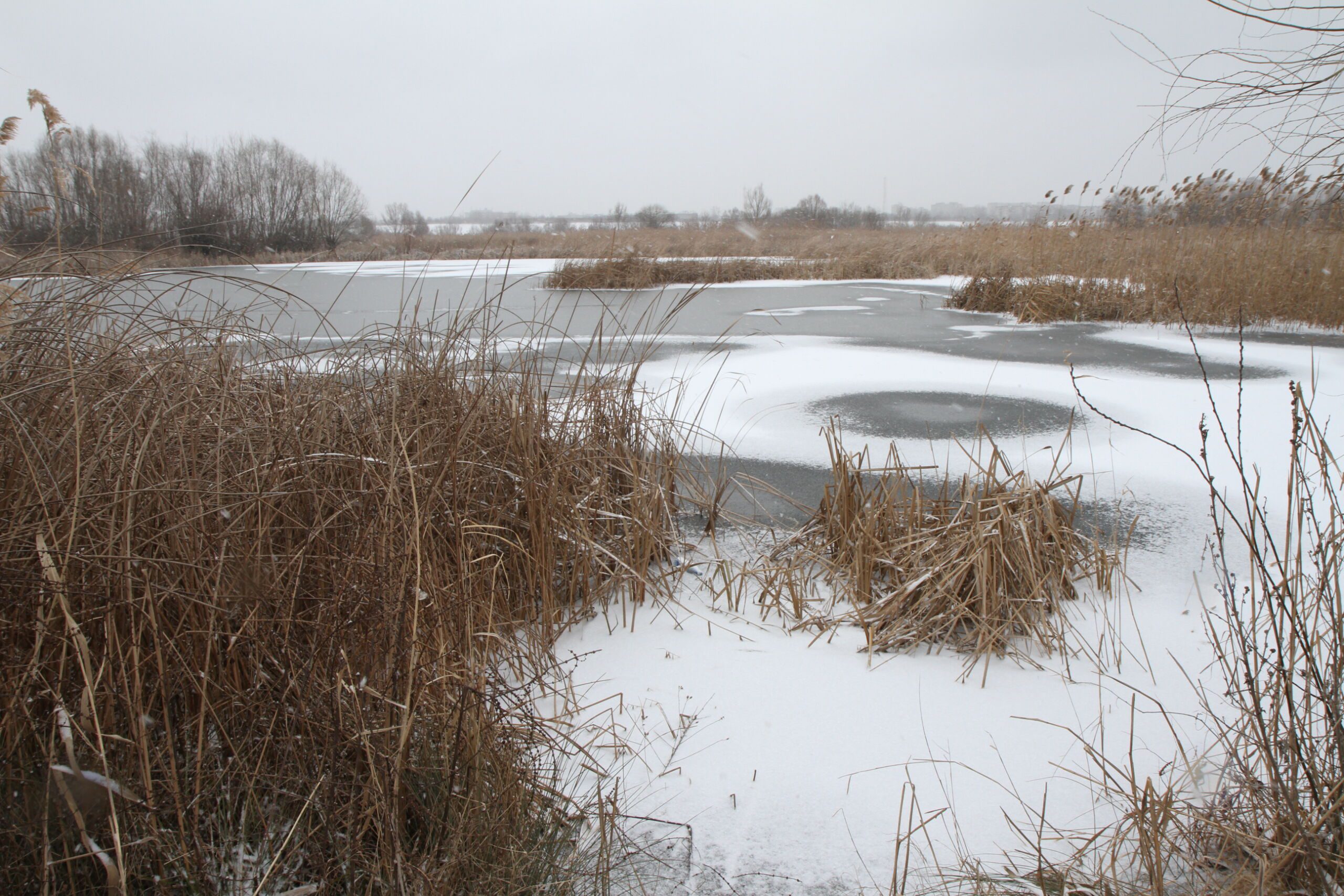
I appreciate the wilder parts of urban nature, such as meadows, lakes surrounded by reeds, river banks guarded by willows, older forests or dirt paths.
The quiet I get there,
watching a couple of mallards,
listening to the birds’ songs,
or walking in the woods
is the most precious gift I can get.
Here in the park,
walking on the dirt path,
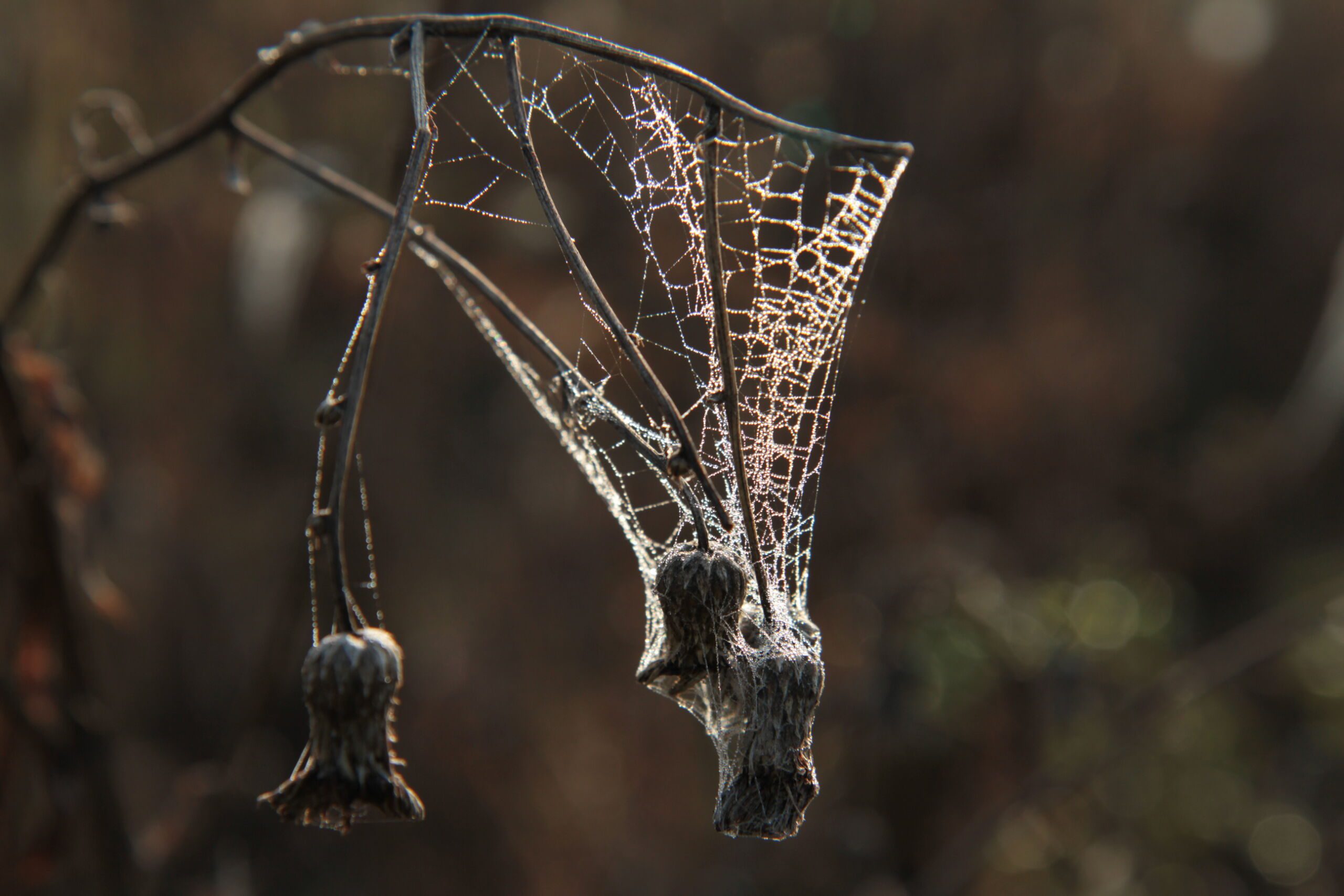
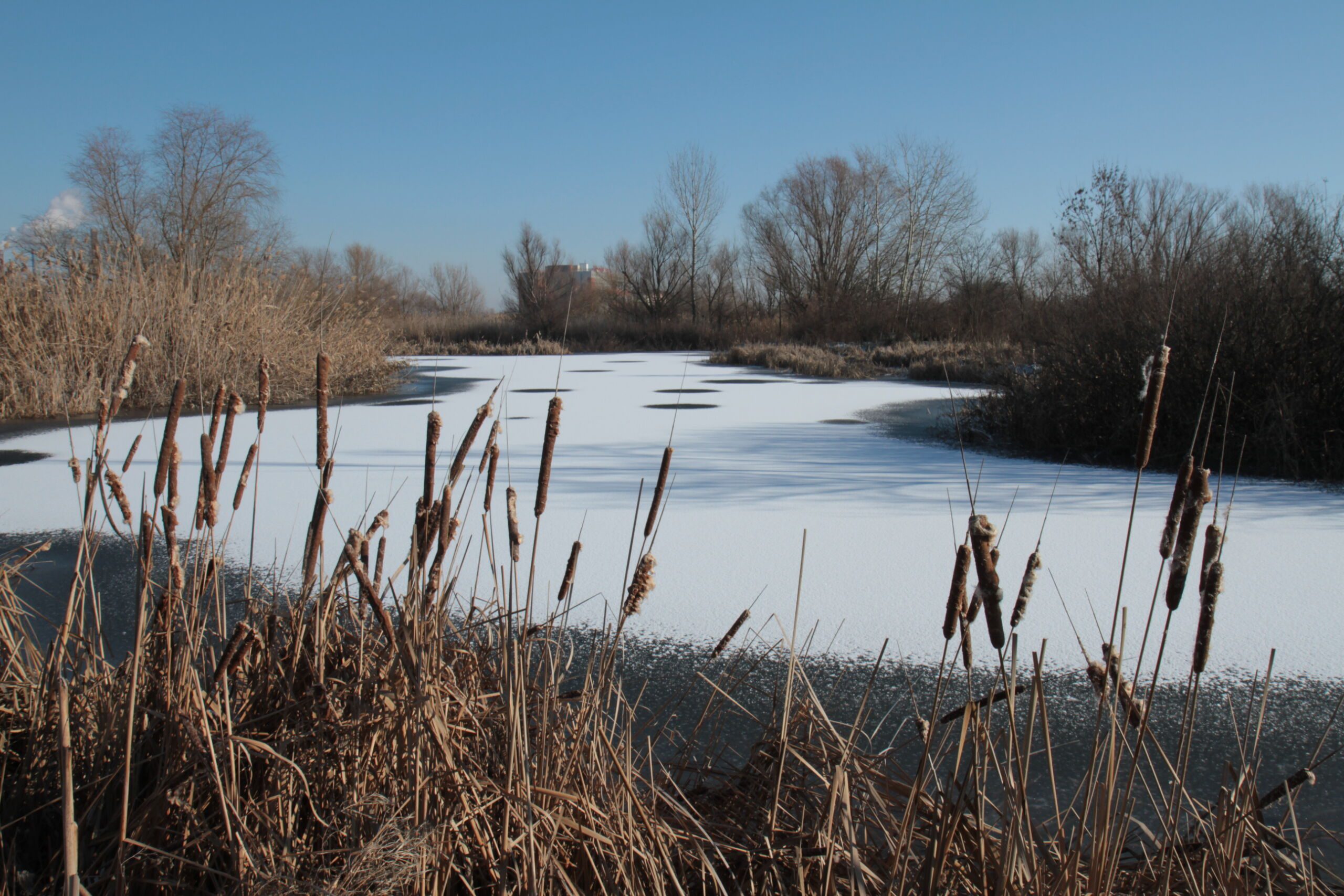
smelling the fallen leaves and seeing the frost shining in the sun on an autumn morning,
it’s easy for me to feel part of nature.
But when I leave the park and walk on the asphalt road and the sidewalks that seal the land, when I see the tall concrete blocks all around me, I feel how all these developments isolate us from the rest of nature.
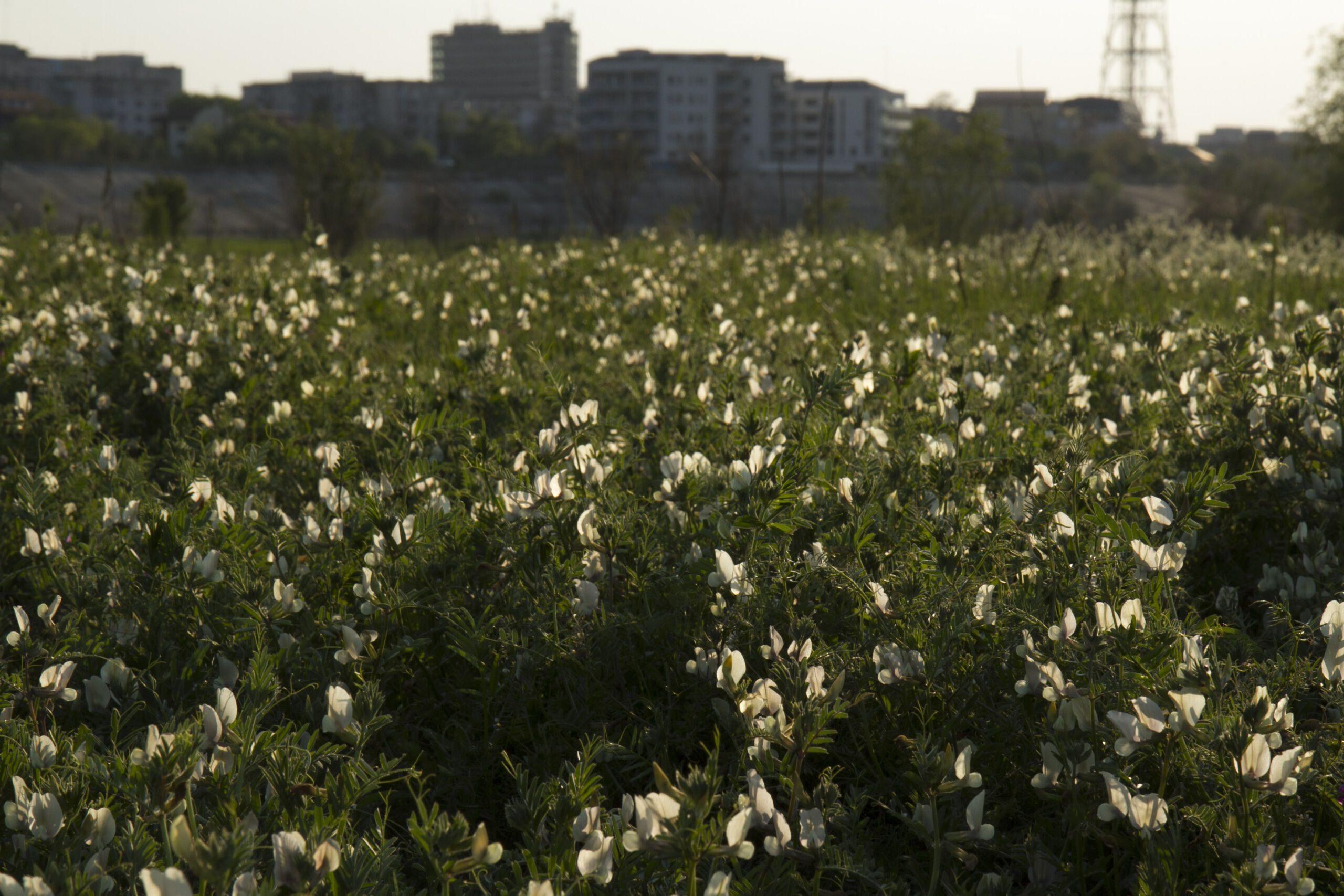
In a city like Bucharest, where the noise level is higher than the limits accepted by the health standards, quiet areas are hard to find.
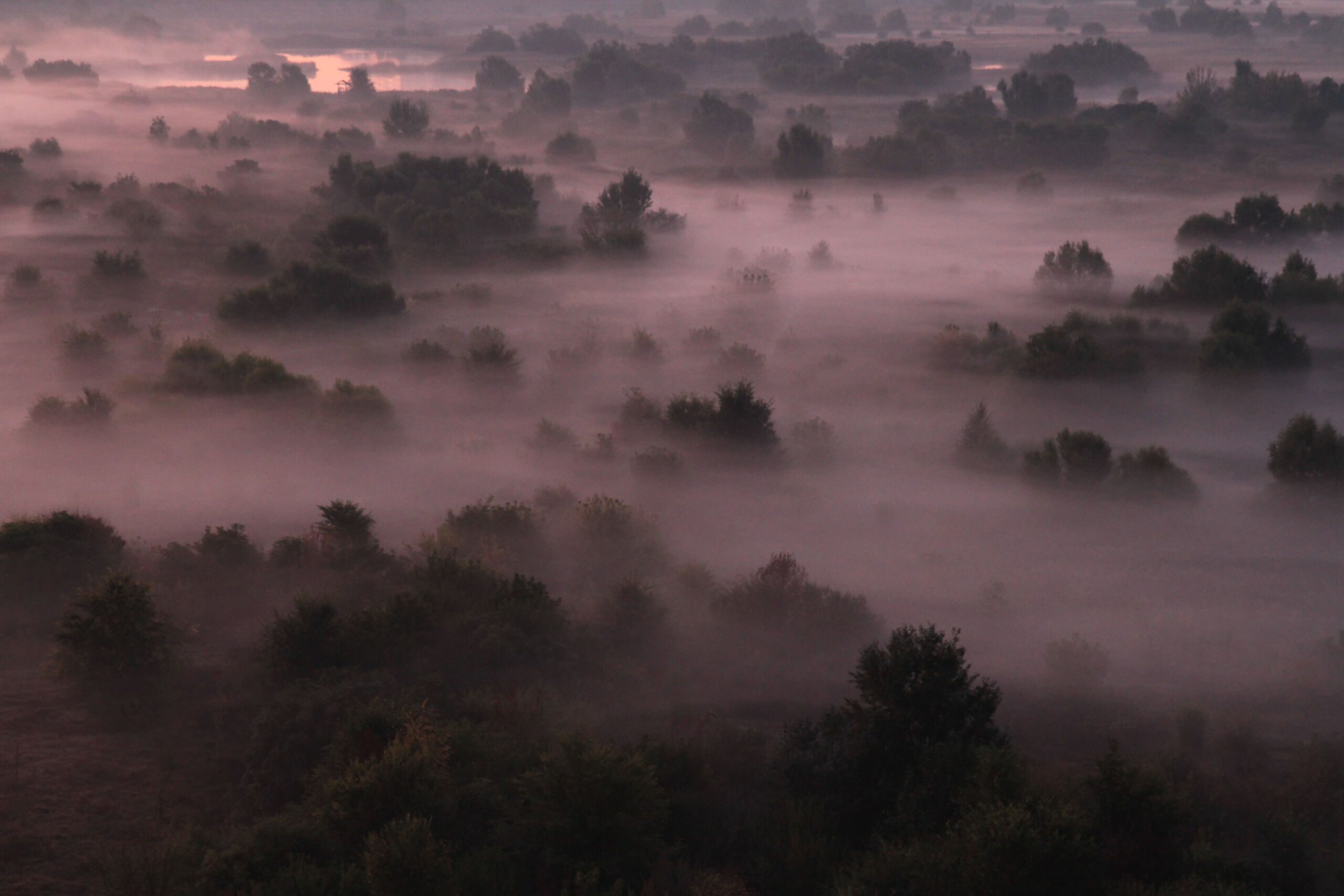
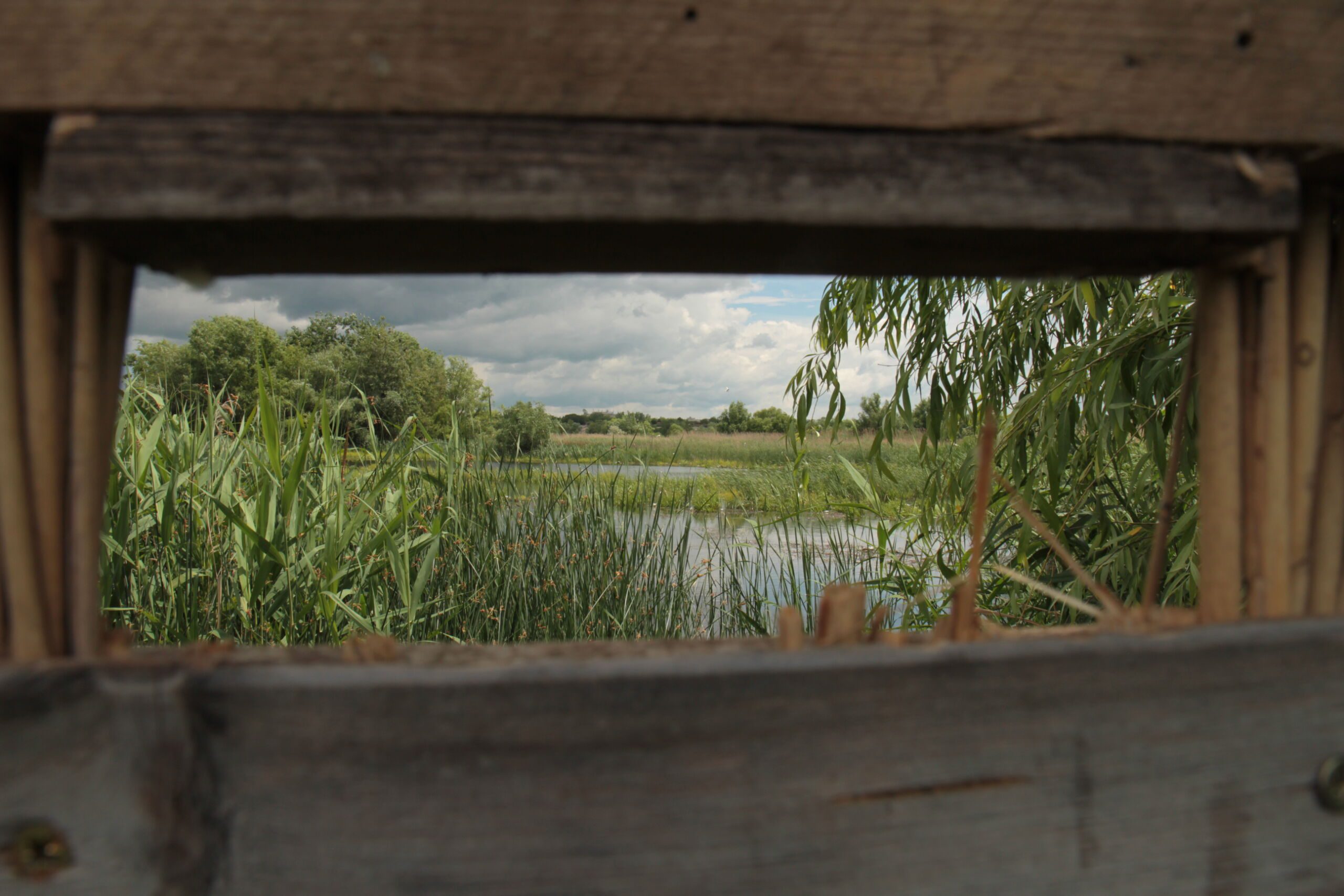
I also appreciate the dark spots associated with the natural areas. In our night tours in Văcărești, I have noticed that the well-known paths look mysterious at night. Although the light pollution can be felt here as well, it’s still such a pleasure to gaze at the glittering stars from the top of the bird’s observatory, surrounded by the dark.
From your experience in Văcărești, what are good examples of natural park’s collaborations with artists, musicians or cultural institutions? How did you incorporate artistic and cultural elements into its conservation efforts?
I think collaboration with artists can contribute to the success of a communication or conservation endeavor. I’ll give you a few examples. A group of ceramists created several artworks shaping shelters for insects, refugees for frogs, sunbathing islands for turtles or nests for singing birds, which they installed in Văcărești. They quickly became some of the park’s curiosities and sources of information with regard to the needs of other species. The illustrations done by artists rendered the information panels more attractive for both children and adults. A violin concert in an urban forest brings a different audience than the usual visitors. A team of dancers performing silently in Văcărești creates a surprise and they impress through the beauty of their movement, added to the one of the willows around; they also give the feeling of safety and familiarity in nature.
How did you engage local communities in environmental and cultural activities? What would you say about the importance of interspecies interactions for society?
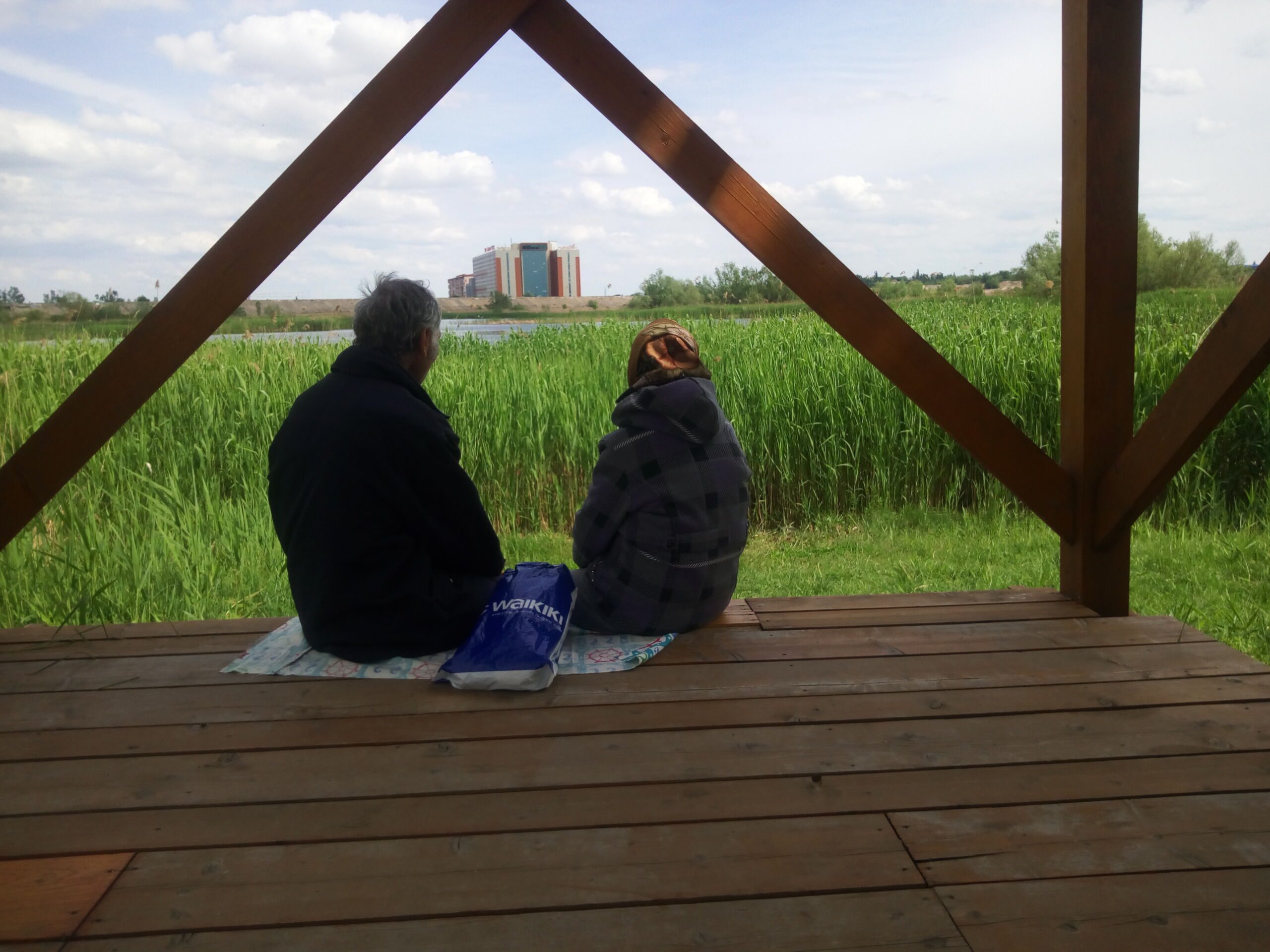
We organise free walking or birdwatching tours and thematic workshops or other leisure activities, such as picnics or canoe tours.
We depend on other species to thrive. The air we breathe, the water we drink, the soil are maintained by the interaction of myriads of species. Our health is linked to their health.
What are the challenges in balancing visitors’ needs and necessary park infrastructure with the preservation of the natural habitat of the park?
The current challenge is the zoning of the park. According to Romanian law, natural parks should have different management regimes, according to their ecological sensitivities. Văcărești Natural Park should have an integral protection zone, which comprises the most valuable habitats, namely the lakes fed by underground springs, where only education and research activities should be allowed; a buffer zone, and a sustainable development zone, mostly for tourist activities and connection of the park with the city. The park was visited by more than 70 000 people in 2021.
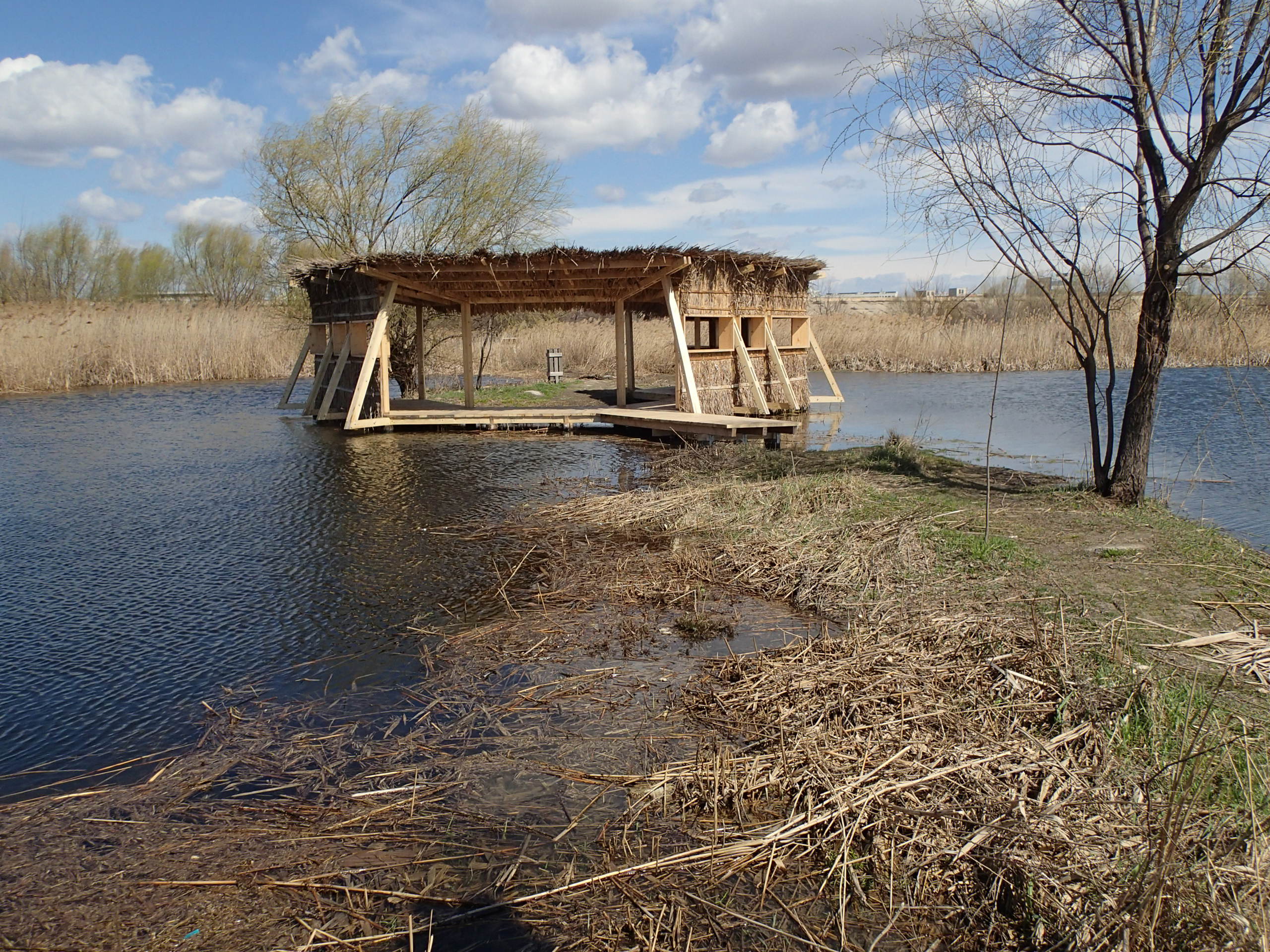
There is an increased need for such natural spaces in the city, so we expect the number of the visitors will increase. A carrying capacity study should be undertaken to evaluate the capacity of the natural park to receive visitors while keeping the wetland’s ecosystem health and safety.
You are an associate of the recently established Network of Urban Natural Areas. Who does it involve and what are the goals and perspectives of such a coalition in Romania and Europe?
The Network for Urban Nature is an alliance of 15 civic organizations that work to maintain the natural areas in cities.
Our programs are built on advocacy, education and conservation. We are active in 10 large cities of Romania and we work with the local authorities to manage 18 urban natural areas for their social role in people’s lives. These areas are large urban forests, meadows, river banks, lakes and old orchards.
We also work with the Ministry of Environment to establish a national legal framework for these areas, considering the high risk of losing them to the chaotic real estate development, but also their primary role of reconciling the people with nature.
We see the urban natural areas as intermediary spaces between conventional gardens and parks and natural protected areas that need a special management regime, aiming to reconcile human with the other species. We dream of having urban natural areas that are accessible, well managed and connected with other green spaces in and outside the cities.
Objavljeno