 Blic
Blic Yugofuturism is a concept developed and explored by the Maska Institute from Ljubljana since 2020 in various shapes and forms. In 2023, Maska joined the Repair project, an initiative dedicated to testing methods and approaches that can act reparatively in the current socio-economic context, proposing Yugofuturism (or YUFU) as a reparative methodology – a way of approaching the future that draws from the past and reimagines the present – and tested it through a series of research and artistic processes.
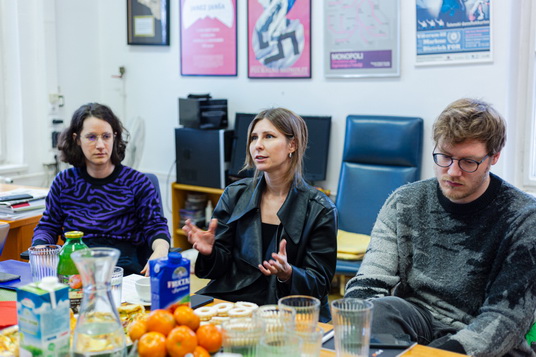
In the words of Alja Lobnik, the artistic director of Maska and one of the YUFU researchers of the Repair project:
“From our perspective, Yugofuturism seeks to engage with the past but not in a nostalgic way; it identifies points within it that were never fully developed but held political potential – such as the public, social security, feminism, ecology, workers’ rights, etc. Yugofuturism does not aim to be a eulogy for the former shared state; it seeks to confront its darker side and the failure of a project that ultimately ended in war and disintegration. We particularly see Yugofuturism as a methodology and a process that, by imagining a shared future, irreversibly influences our present – through action and collaboration, it is already establishing new affinities and connections.”
In January 2024, Maska organized a big YUFU event cycle in Ljubljana, which was kicked-off by the final presentation of the international research team which joined members from various countries of ex-Yugoslavia, and continued with an extensive artistic program.
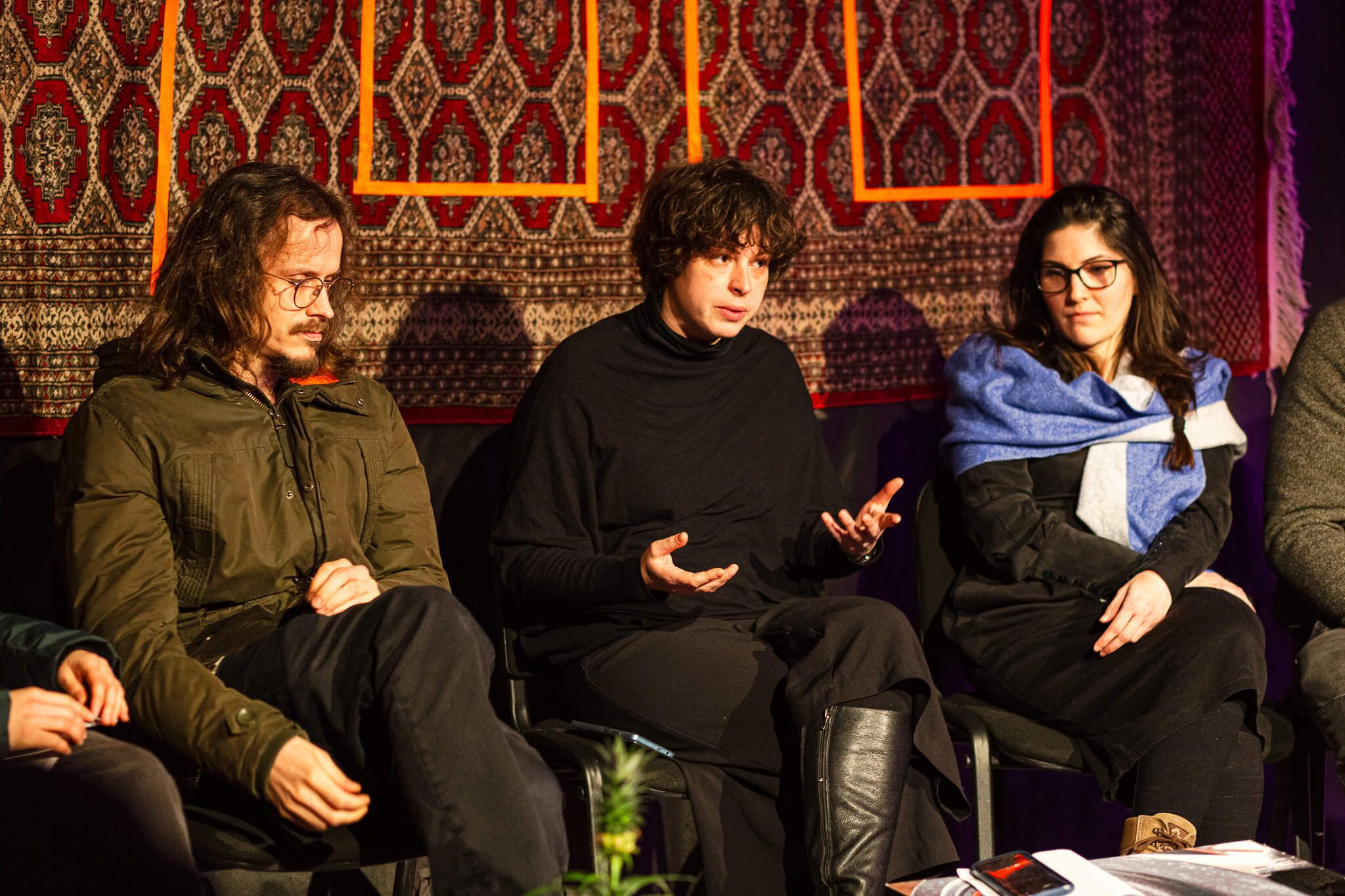

During their presentation, the Maska’s team shared insights from their working process, highlighting the importance of a shift from talking about Yugofuturism as a term towards “yugofuturing”. This was brought into the process by Rok Kranjc, with whom we spoke about futuring and the concrete manifestation of this proposal in the shape of a performance FUTURE 14B, a performance which premiered at YUFU cycle. We had a chance to speak to him before the premiere.
On Yugofuturism and Yugofuturing
“Yugofuturism is a tricky, multifaceted subject. It implies that we look back towards the Yugoslavian experiment and potentially see, not in a nostalgic way, inklings of alternative possible futures in terms of shared cultures, in terms of cooperative experiments”, Rok shared.
Yugofuturing, on the other hand, can be seen as a way of moving further that theoretical, abstract discussions towards experimenting and manifesting the future.

The task is to produce fictions that can be converted into effective virtualities – fictions that not only anticipate the future but that can already start to bring it into being.
Mark Fisher, Economic Science Fictions
“Mark Fisher lays out a very nice framework in terms of how times we’re living through these days are, in fact, fiction and capitalism as a system of reproducing these fictions, such as the money that we operate on a daily basis, political structures, etc. How can we leverage this fiction, futuring, speculating, alternative possible worlds and how do we not just imagine possible futures but manifest them in a way that already prefigure those kinds of futures that we would like to see?”, he explained.
On Future 14B
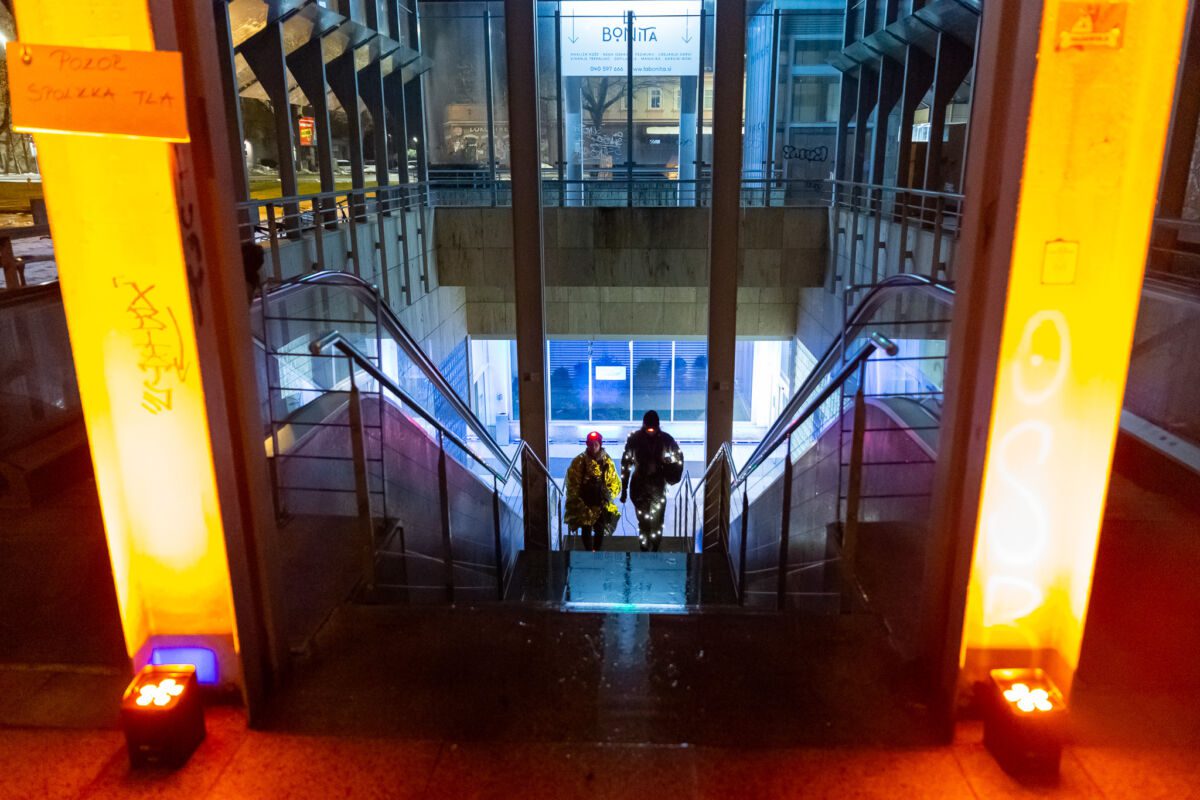
Future 14B is an experiment in yugofuturing, seeking to explore “how can we go into practice, go into space, invite people to think with us these possibilities”. The laboratory was co-created by Kranjc and the group with members coming from different fields, from research and activism to performance and design – Lina Akif, Olja Grubić, Ida Hiršenfelder, Tea Hvala, Andrej Koruza, Rok Kranjc, Gaja Mežnarič Osole, Ajda Pistotnik and Metod Zupan – who joined forces to conceive, debate, explore, experience and (re)test what theorist Mark Fisher called effective virtualities.

“We came together and dared to think alternatives together, dared to question each other in certain terms, asked the question how can we invite general public in a kind of more genuine participation in questions regarding the future than what the states or corporations are supposed to produce”.
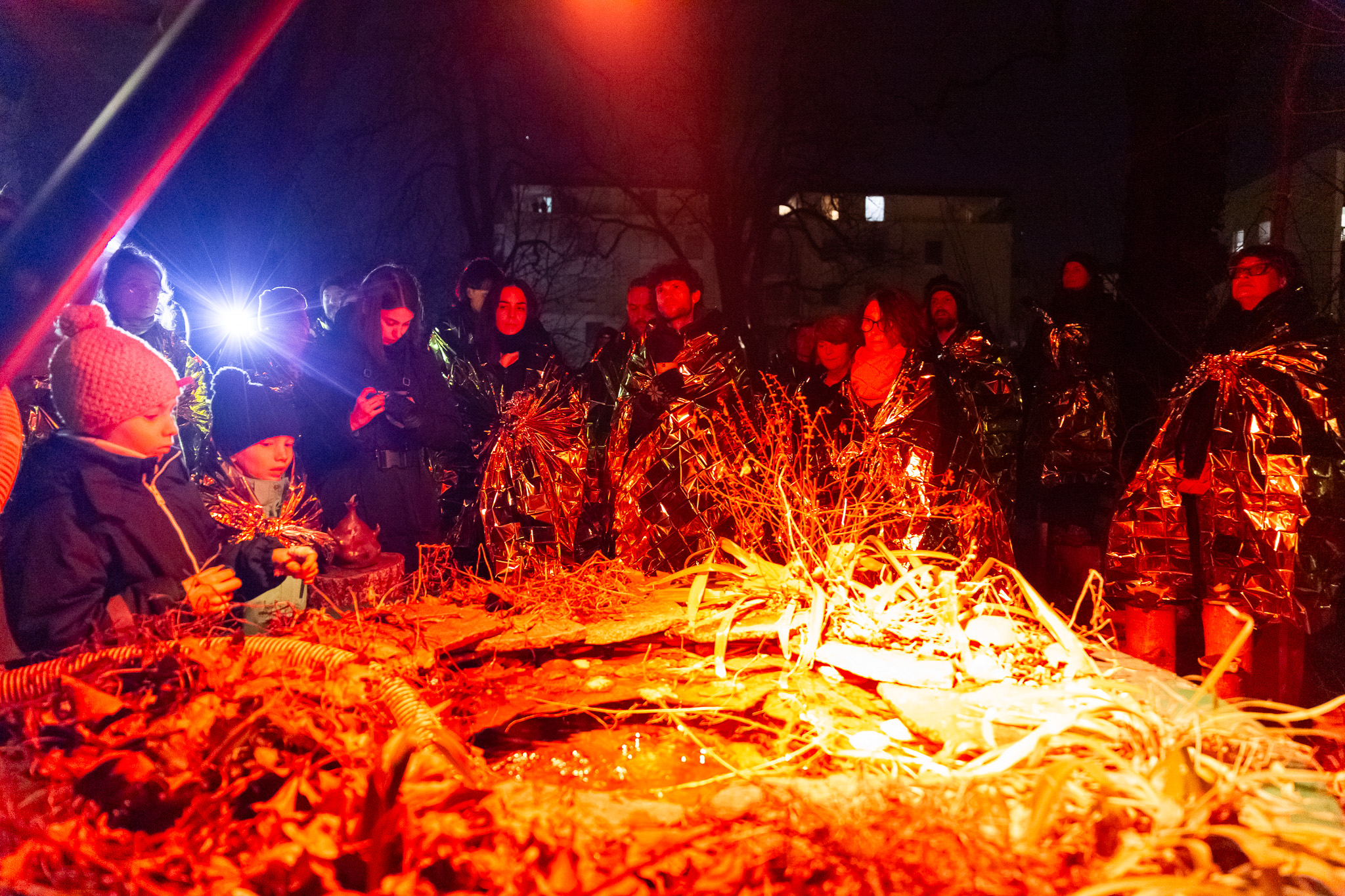

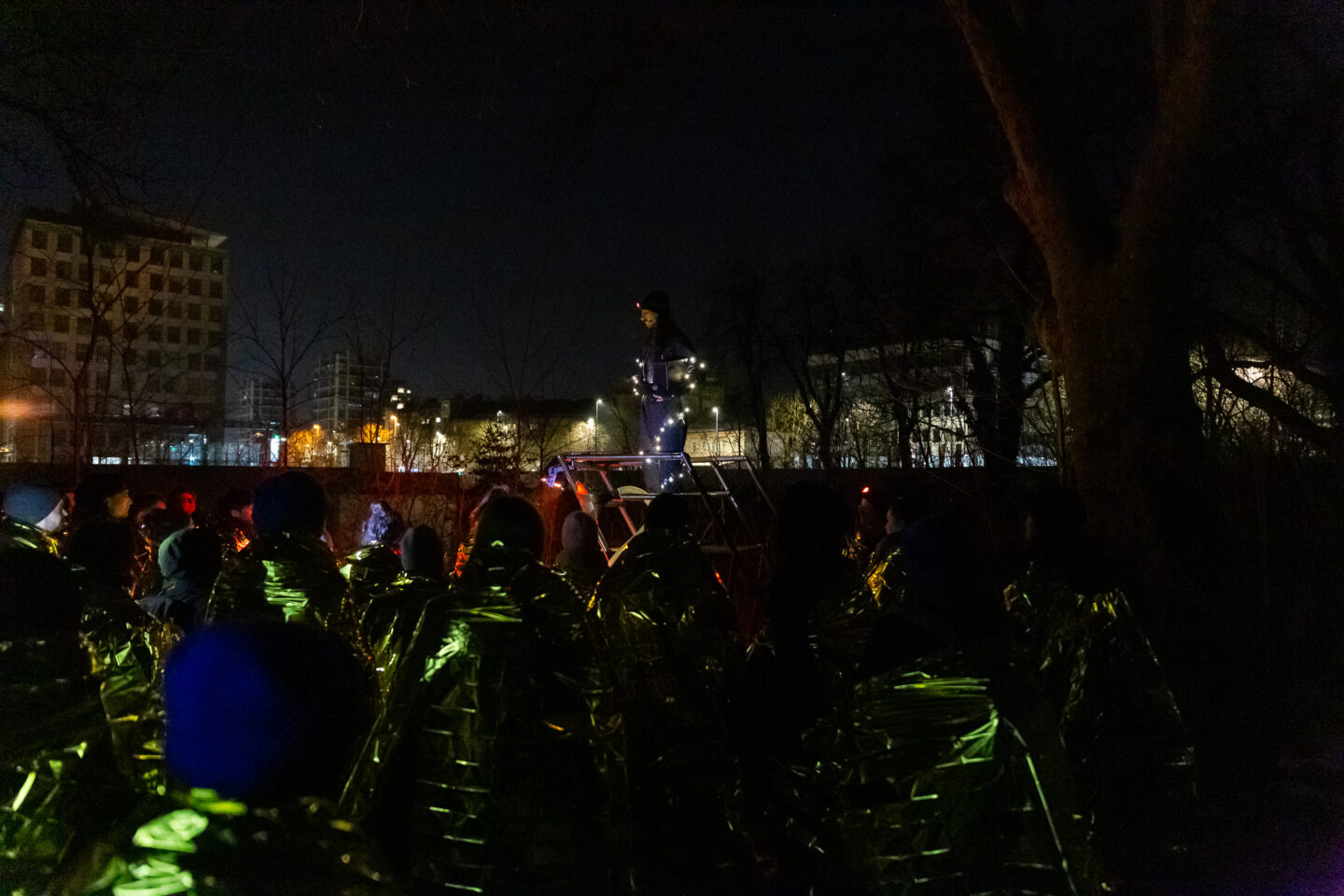
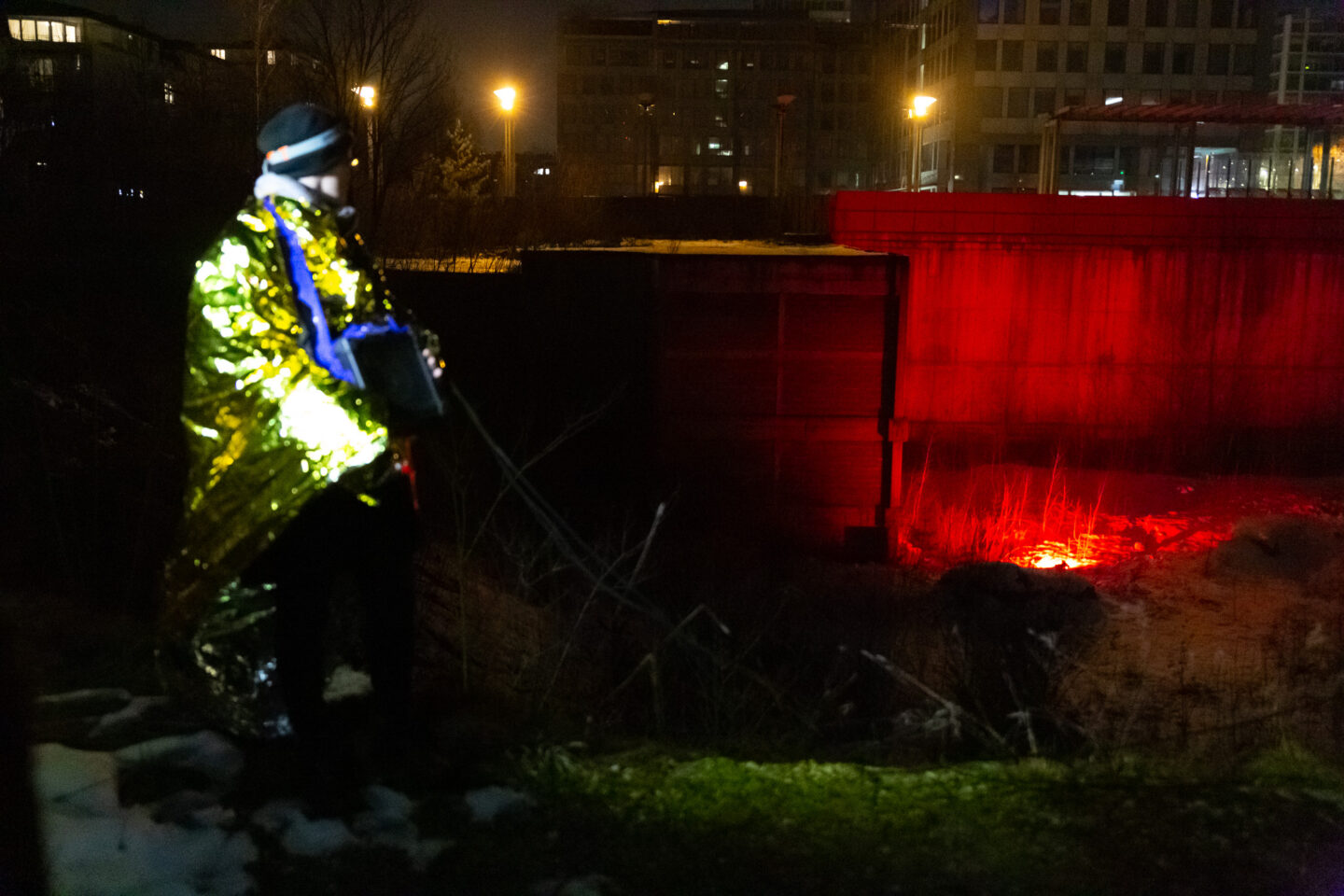
“So it is a humble experiment, but hopefully through these experiences or translations of notions like multispecies justice, ecofeminism, degrowth, and the commons, we’re trying to bring them to life to a certain extent and possibly trigger a broader process or framework that people could use to create futures collectively in a genuine way.”
After the premiere, the laboratory will continue to develop, inviting the participants to temporarily enter a different, radical, real utopian future(s).
ObjavljenoObjavljeno